

• Subscribe
  • Sök
  • Home
  • Lectures and Symposiums
    • Interviews with our guests
    • Previous lectures
    • Brain and Culture symposium III 2019
    • Brain and Culture symposium II 2017
    • Brain and Culture Symposium 1 2016
  • Research
    • Research overview
    • Researcher’s Forum
    • Research Publications
    • Applications
    • Culture and Education
    • Collaborators
  • Dance
    • Dance
    • Anna Duberg
    • Åsa N Åström
    • Dance research
  • About us
    • The Cultural Brain Initiative
    • The Centre for Culture, Cognition and Health
    • The Cultural Brain
    • Contact us
  • Svenska
  • English
  • Subscribe
  • Sök

Sök

Browse:

  • Home
  • Nyheter
  • Uncategorised
  • Using a cappella to explain speech and music specialization
2020-03-31
Uncategorised
0

Using a cappella to explain speech and music specialization

A recent study suggests humans have developed complementary neural systems in each hemisphere for auditory stimuli. Speech and music are two fundamentally human activities that are decoded in different brain hemispheres. The study used a unique approach to reveal why this specialization exists.

Researchers at The Neuro (Montreal Neurological Institute-Hospital) of McGill University created 100 a cappella recordings, each of a soprano singing a sentence. They then distorted the recordings along two fundamental auditory dimensions: spectral and temporal dynamics, and had 49 participants distinguish the words or the melodies of each song. The experiment was conducted in two groups of English and French speakers to enhance reproducibility and generalizability.

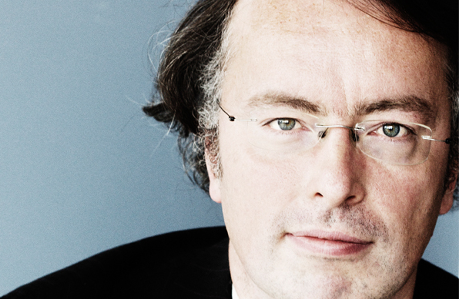
Fredrik Ullén from The Centre for Culture, Cognition and Health is both concert pianist and Neurologist and talks about the study in an interview with SverigesRadio

Listen to the interview on SverigesRadio (in Swedish)

Read more about the study at McGill University here

Relaterade nyheter

  • Video recording from the Brain and Culture Lecture 19th May with Elvira Brattico
  • Beauty and the brain – Investigating the neural and musical attributes of beauty during naturalistic music listening
  • In focus: our enjoyment of watching people move in sync with each other investigated in a new study

Recent Posts

  • Music training can help the brain focus
  • Brain and Culture Lecture December 1st with Cassia Low Manting “Tuning the Brain: How Music Sharpens Attention in a Noisy World”
  • Creative experiences and brain clocks
  • What happens in the brain when we experience art by Kirsten Weir
  • In Focus: Empathy and Education

Centrum för Kultur, Kognition & Hälsa i samarbete med