
This category focuses on the important influence that culture has on education, featuring current research
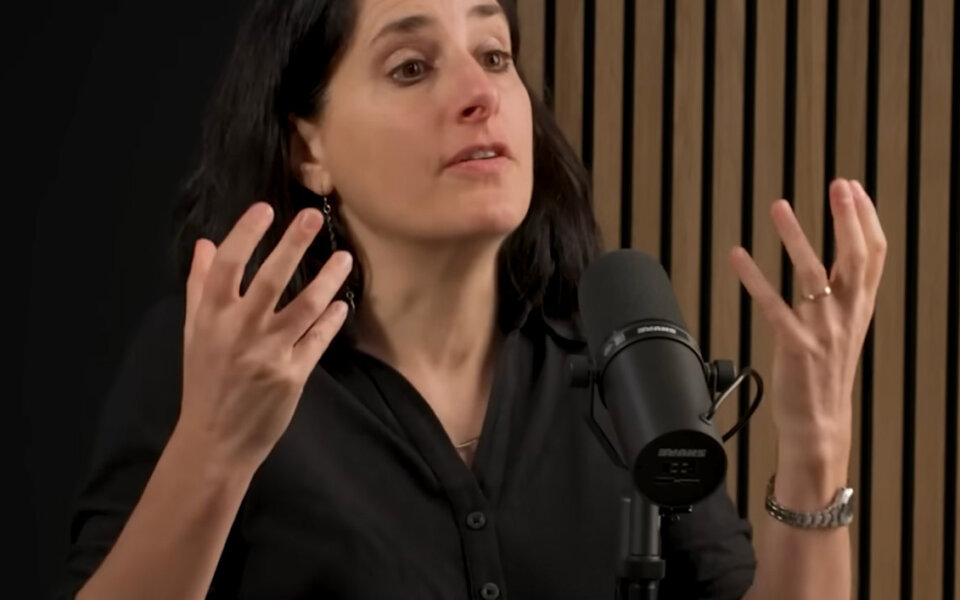
Date and time: December 1st at 14.00 Location: Peter Reichard lecture hall, Biomedicum, Solna väg 9 Speaker: Cassia Low Manting, Research Specialist, Daniel Lundqvist's research group, Department of Clinical Neuroscience, Karolinska Institutet Title: Tuning the Brain: How Music Sharpens Attention in a Noisy World Tuning the Brain: How Music Sharpens Attention in a Noisy …
Classroom Lessons Found to Boost Empathy in a recent study A study backed by the University of Cambridge suggests that just one term of empathy-focused lessons in schools could lead to improvements in student behaviour. Around 900 students, aged five to 18, across six different countries took part in a video-based …
When: Every Thursday at 10:00 AM Pacific (19.00 CET) Location: Online (see link below) Offered by Redwing Keyssar, RN, Author, Director of Patient and Caregiver Education at The MERI Center for Education in Palliative Care, UCSF/Mt Zion. In this one-hour “Poetry Café”, co-sponsored by the MERI Center for Education in Palliative Care and …
How much of exceptional human achievement can be attributed to genetics? This longstanding question, originating in the early days of genetic research, seems more approachable today thanks to advanced molecular techniques that allow for the analysis of DNA from historical figures. But how reliable are the conclusions drawn from such …
Photo: George Chahine Researcher, screenwriter and composer Sissela Nutley is awarded KI's Culture Prize for her work in uniting culture and science to convey messages about the brain and mental illness, including through the school program “Det syns inte” (It is not visible) which is used in classrooms around Sweden. The …
Dr. Eugen Wassiliwizky’s research focuses on the study of aesthetic emotions. In this interview, questions like: If goosebumps have a neurological connection to survival, why does impactful art also cause chills? What draws us to poetry that is sad or bittersweet? How do experienced poetry readers differ from new ones …
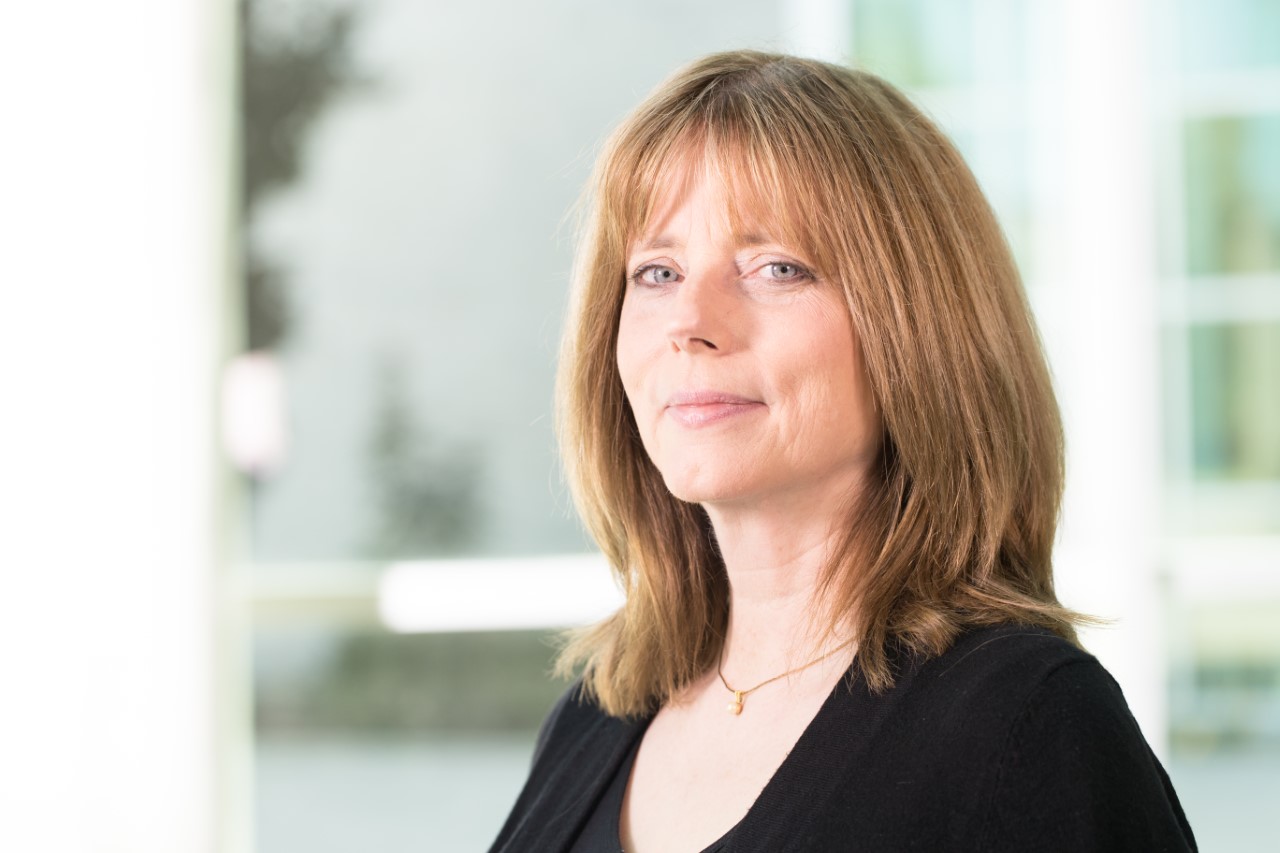
Developmental Coordination Disorder (DCD) is a common condition in children that affects their ability to coordinate movements and timing. Research has shown that problems with tracking and synchronizing movements to rhythms are common in various motor disorders. Research in a recent article in Scientific Reports with Laurel Trainor (pictured) aims to …
Researchers unlocked how the brain processes melodies, creating a detailed map of auditory cortex activity. Their study reveals that the brain engages in dual tasks when hearing music: tracking pitch with neurons used for speech and predicting future notes with music-specific neurons. This breakthrough clarifies the longstanding mystery of melody perception, …
Mary Helen Immordino-Yang, EdD is Professor of education, psychology and neuroscience at the University of Southern California and director of the Center for Affective Neuroscience, Development, Learning and Education, who has done groundbreaking research on emotions, self-awareness and social interactions and how these impact the way we learn and change …
An investigation into the impact of creativity and culture on the brain commissioned by the Arts Council in the U.K. What did the report find? The report offers extensive evidence that Engaging in creativity and culture is linked to positive wellbeing, feeling connected, and motivation in people across a range of …
This month Gunnar Bjursell has interviewed Assal Habibi, Assistant Research Professor of Psychology at the Brain and Creativity Institute at University of Southern California. Gunnar and Assal discuss the benefits of music in education and the impact it has on child development Full interview with subtitles in English
Humans have extraordinarily large brains, which tripled in size in the last few million years. Other animals also experienced a significant, though smaller, increase in brain size. These increases are puzzling, because brain tissue is energetically expensive—a smaller brain is easier to maintain in terms of calories. Here we present …
This new study between Karolinska Institutet and the Radboud University Medical Center and Vrije University in Holland focused on how months of schooling related to intelligence in 6567 children (aged 9-11), taking into account factors such as socioeconomic status (SES) and cognitive ability. Notably, two years of schooling had a larger …
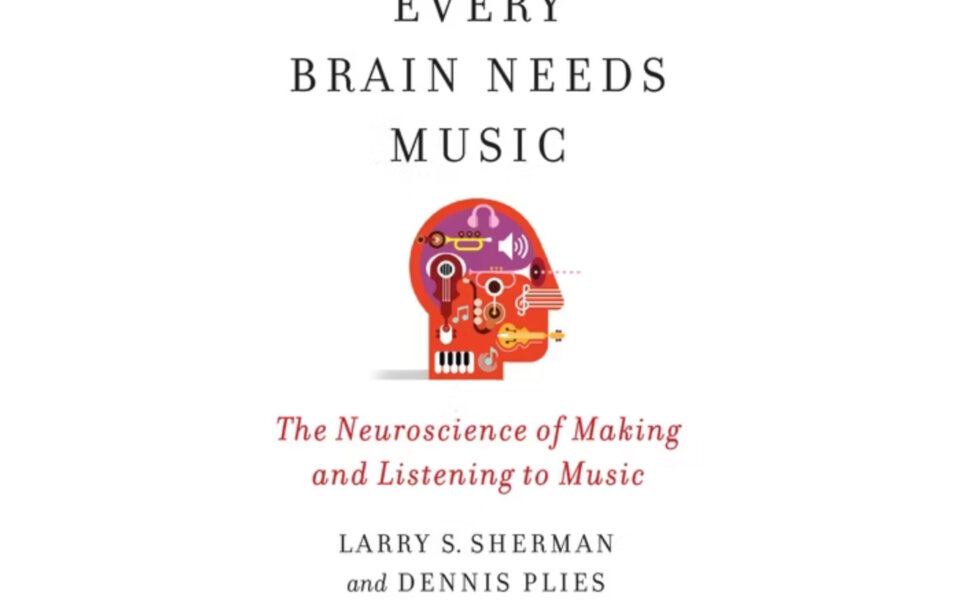
Research shows that playing music also contributes to our overall health and wellbeing and helps our thinking and planning skills. In this popular science article, we will first talk about how various parts of the brain are engaged to make music playing possible. We will also discuss benefits of music …
Congratulations to Fredrik Ullén who was awarded the KI Culture Prize during KI Culture Day 19th October. Motivation for the prize Fredrik Ullén is Director at the Max Planck Institute for Empirical Aesthetics in Frankfurt, Professor of Cognitive Neuroscience at Karolinska Institutet, and also a concert pianist. His major research interests are …
Music is ubiquitous across human cultures - as a source of affective and pleasurable experience, moving us both physically and emotionally - and learning to play music shapes both brain structure and brain function. Music processing in the brain - namely, the perception of melody, harmony and rhythm - has …
Aesthetic experience seems both regular and idiosyncratic. On one hand, there are powerful regularities in what we tend to find attractive versus unattractive (e.g., beaches versus mud puddles). On the other hand, our tastes also vary dramatically from person to person: what one of us finds beautiful, another might find …
Find out more about your personality and musical talent! Welcome to the 'Music and Personality' experiment! The aim of this study is to explore how musical abilities are associated with personality, nonmusical abilities, formal music training, and informal musical activities (e.g., listening, attending concerts). The experiment takes around 45 minutes …